
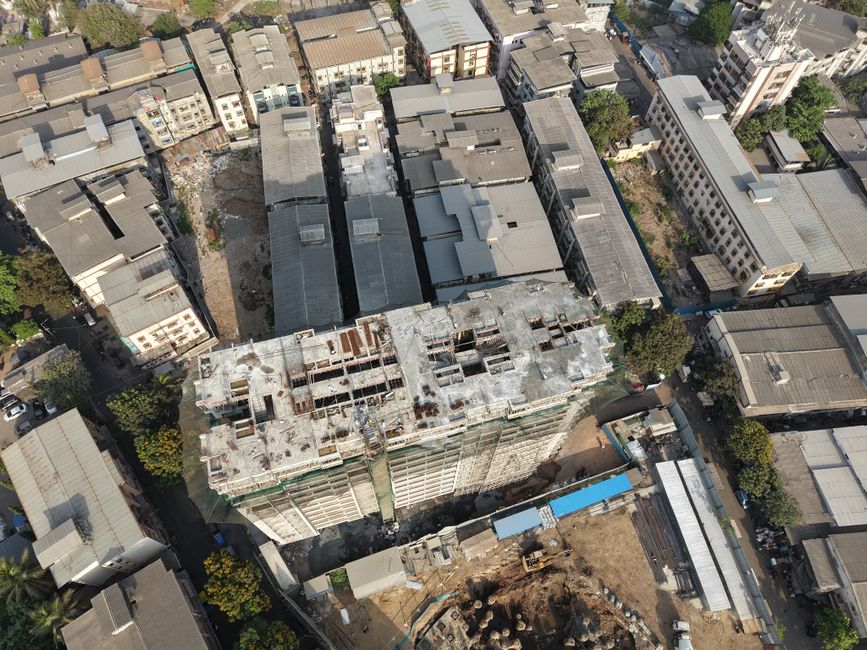
Spend any time talking to Mumbai’s serious property investors and a name keeps coming up: Palghar. Not in hushed tones anymore, either. Coastal plots, affordable agricultural land conversions, and well-connected township projects are pulling capital away from the city’s saturated micro-markets and into this fast-developing district roughly 90 kilometres north of South Mumbai.
So what’s actually happening here — and is the window still open for those who haven’t moved yet?
What’s Making Palghar a Magnet for Smart Capital
The single biggest driver is infrastructure. The Mumbai-Ahmedabad High Speed Rail corridor passes through Palghar district, and land parcels within a few kilometres of proposed stations have already seen price appreciation well ahead of most Mumbai suburbs. Layered on top of that is the Delhi-Mumbai Industrial Corridor (DMIC), which designates parts of Palghar as priority industrial zones — meaning demand for both industrial plots and residential housing for workers is structurally baked in.
Palghar also benefits from National Highway 48 and the Western Railway line, giving residents genuine, existing connectivity to Mumbai. That’s not a promise; trains run today. For a buyer comparing Palghar against, say, a remote township in Raigad that depends entirely on a future expressway, this is a meaningful distinction.
Beyond infrastructure, the price gap remains striking. While a 1 BHK flat in Mira Road or Vasai will typically cost ₹55–70 lakh, comparable new construction in Palghar town and Boisar can still be found in the ₹28–45 lakh range. That delta translates directly into rental yield headroom and capital gain potential — two metrics that matter most when you decide to invest in Palghar real estate rather than chasing already-priced-in locations closer to the city.
The district’s coastal geography adds another layer. Stretches of land near Kelve, Dahanu, and Satpati are attracting a specific type of buyer: Mumbai professionals looking for a second home or an Airbnb-friendly villa. Weekend tourism from the city is consistent, and short-stay rental income in these coastal pockets has begun making its case on paper, not just in conversation.
Which Zones Offer the Strongest Returns Right Now
Not all of Palghar is equal, and treating the district as a monolith is where inexperienced buyers make expensive mistakes. Here’s how the major zones actually stack up.
Boisar and MIDC Belt: This is the industrial anchor of the district. The Maharashtra Industrial Development Corporation has developed significant land here, and proximity to chemical and engineering units means consistent housing demand from a salaried workforce. Residential plots and compact flats here tend to have low vacancy rates and predictable rental income — less glamorous than coastal property, but arguably more dependable.
Palghar Town: The administrative centre is seeing genuine vertical development. Builders who cut their teeth in Vasai-Virar have moved north, and a new generation of gated complexes is arriving with amenities that weren’t here five years ago. First-time investors looking to invest in Palghar real estate often find Palghar Town the most legible market — established civic infrastructure, clear title land records, and a growing rental population of government and private sector employees.
Dahanu and Kelve Road: These are longer-hold plays. Connectivity improvements are coming, but they’re not fully here yet. Investors with a five-to-seven-year horizon willing to buy agricultural land (subject to proper legal conversion checks) or beachside plots are positioning for the wave, not riding it. The upside is higher; so is the patience required.
Virar–Nalasopara Fringe (southern Palghar): Technically the border zone with Vasai-Virar, this belt is the most liquid sub-market. Properties here are easiest to exit because buyer pools are larger. Appreciation is slower — much of the low-hanging fruit has already been picked — but for investors who prioritise exit flexibility, it still has a place in the conversation.
A practical note on due diligence: always verify the zone classification (residential, agricultural, or industrial) through the Palghar district collectorate or a registered local lawyer before committing. Maharashtra’s land records portal, MahaBhulekh, allows you to check 7/12 extracts online, which is a non-negotiable first step for any plot purchase in the district.
The buyers who’ve done well here share one common trait: they moved before the project or infrastructure milestone was fully confirmed, not after. That’s the uncomfortable truth about emerging markets — the best prices exist precisely when certainty is lower. By the time a bullet-train station is operational and all risk is off the table, the 3X land appreciation will already have happened.
For anyone seriously considering property acquisition in this corridor, speaking with a local RERA-registered broker who operates specifically in Palghar — not a Mumbai office with a satellite presence — makes a significant practical difference. Ground-level knowledge of which layouts have clear titles and which are caught in legal disputes is not available on any portal.
Frequently Asked Questions
Is Palghar a safe place to invest compared to other Mumbai suburbs?
Palghar carries similar risks to any emerging peripheral market — title disputes on agricultural land, slower liquidity, and infrastructure timelines that can shift. That said, the district’s RERA registrations have grown steadily, and organised developers are increasingly present, which reduces risk compared to five years ago. Thorough legal due diligence remains essential.
What is the minimum budget needed to invest in Palghar real estate?
You can enter the market with as little as ₹15–20 lakh for a residential plot in outlying talukas, or ₹28–35 lakh for a 1 BHK flat in Boisar or Palghar town. Coastal and villa plots near Dahanu typically start higher, from ₹40 lakh upwards depending on proximity to the beach and road access.
How does rental yield in Palghar compare to Mumbai suburbs?
Rental yields in Palghar’s industrial belt (Boisar-MIDC) typically range from 3.5–5%, which compares favourably with Mumbai’s inner suburbs where yields have compressed to 2–3% due to high capital values. Coastal short-stay rentals can generate higher gross yields but with more seasonal variance.
Can non-agricultural land be purchased freely in Palghar?
Yes. Residential and commercial plots with clear NA (non-agricultural) status can be purchased by any Indian citizen without special permission. Agricultural land in Maharashtra can only be purchased by farmers or those who qualify under state law, so verifying land classification before any purchase is critical.
How far is Palghar from central Mumbai, and what are the travel options?
Palghar town is approximately 90 km from Churchgate by road and well-connected by Western Railway’s suburban and express services, with journey times of roughly 1.5–2.5 hours depending on train type. Boisar is slightly further north. The Mumbai-Ahmedabad bullet train project will further cut travel times once operational.
Are there RERA-registered projects available in Palghar?
Yes. The number of RERA-registered projects in Palghar district has grown considerably since 2017. Buyers should always verify project registration on the MahaRERA portal before booking, as this ensures statutory protections on possession timelines and builder accountability.