
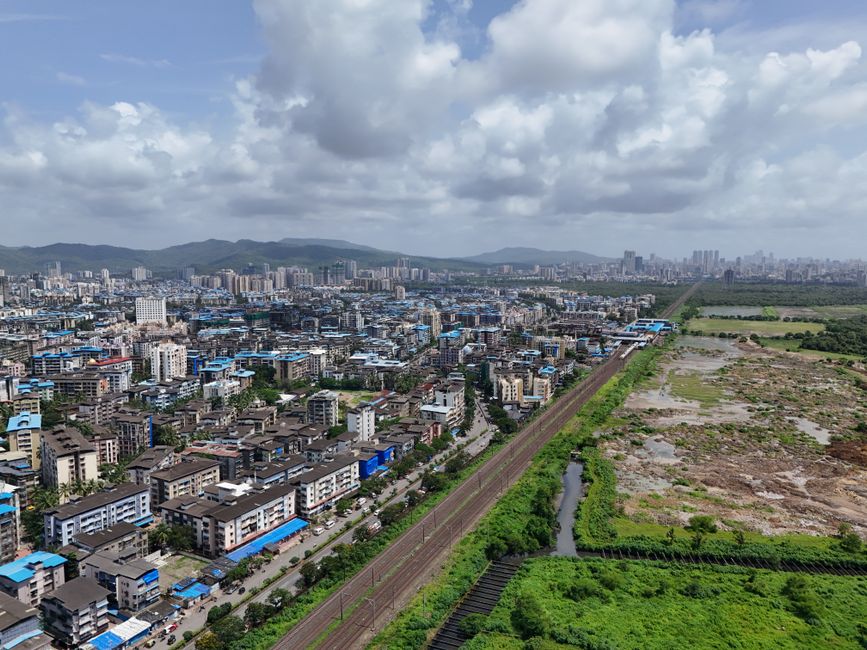
If you have been priced out of Mumbai or even Thane and someone recently whispered “Palghar” in your ear, you are not alone. Over the past few years, Palghar real estate has quietly attracted attention from salaried professionals, retirees, and investors who want more land for their money without completely abandoning Mumbai’s gravitational pull. But before you transfer a booking amount, you owe yourself a clear-eyed look at what this market actually offers — and what it does not.
Why Palghar Is Attracting Buyers Right Now
Palghar district sits roughly 100 kilometres north of Mumbai along the Western Railway line and the Mumbai-Ahmedabad National Highway (NH-48). That geography alone does a lot of work. Residents can technically commute to Mumbai CST in under two hours by fast local train, which puts Palghar within the mental map of buyers who want a weekend home, a retirement plot, or a long-term investment parcel they can actually afford.
The district was carved out of Thane in 2014, and since then, planned industrial corridors, port-related logistics zones, and the anticipated Mumbai-Ahmedabad High Speed Rail corridor (which passes through the region) have steadily nudged land values upward. That bullet-train alignment is not just a talking point — it has already triggered commercial interest in pockets like Boisar and Virar, which sit within the district.
Palghar town itself is relatively compact and affordable. Tarapur, Boisar, Manor, Dahanu, and Palghar city are the micro-markets that come up most frequently in buyer conversations. Each has a different character. Tarapur and Boisar are industrial-leaning with modest residential supply. Dahanu is green, coastal, and heavily regulated because of its eco-sensitive designation. Palghar city and Manor sit in between — more balanced for end-users who want schools, hospitals, and connectivity in reasonable proximity.
Property prices across the district remain dramatically lower than neighbouring Vasai-Virar. According to data from NoBroker’s market reports, residential plots in Palghar taluka were averaging between ₹800 and ₹2,500 per square foot in 2024, depending on location and road access. Apartments, where they exist, are similarly priced well below Mumbai Metropolitan Region averages. That gap is the core investment thesis for most buyers here.
What You Must Verify Before Signing Anything
Affordability is appealing. Due diligence is non-negotiable. Palghar has historically had a complex land ownership landscape — tribal land, agricultural conversions, coastal regulation zone overlaps, and gram panchayat versus municipal jurisdiction boundaries that can directly affect whether you can build, resell, or even legally hold a property.
Tribal Land Restrictions
A significant portion of land in Palghar district falls under Maharashtra’s tribal land protection laws, governed by the Maharashtra Land Revenue Code and the Scheduled Tribes Act. Non-tribal buyers cannot legally purchase land classified as tribal. Sellers occasionally present such land with questionable documentation, so insisting on a full title search by an independent local advocate — not one recommended by the seller — is essential.
Agricultural to Non-Agricultural Conversion
Many plots sold as “residential” are still technically agricultural land. Before they can be used for construction, they require a formal NA (Non-Agricultural) order from the Collector’s office. Verify that this order is already in place and is specific to residential or commercial use, not just industrial. Buying land on the promise that NA conversion “will happen” is a gamble that has cost buyers years and money.
RERA Registration
If you are buying a flat or a plotted development from a builder, check RERA Maharashtra’s portal to confirm the project is registered. The Maharashtra Real Estate Regulatory Authority requires builders to disclose timelines, approvals, and financials. Unregistered projects in Palghar do exist, particularly smaller township schemes, and they carry substantial risk.
Infrastructure Gaps Are Real
Palghar is developing, which is the reason to buy — but it also means gaps exist today. Water supply, sewage infrastructure, and road quality vary sharply even within the same taluka. Visit the site during monsoon if possible. Flooding and waterlogging affect certain low-lying areas, and a plot that looks attractive in January can be submerged by July.
For most buyers, the right approach is to identify a micro-market first, spend at least two weekends exploring it in person, hire a local lawyer for title due diligence, and only then engage builders or brokers. Palghar real estate rewards patient buyers who do the groundwork. It tends to punish those who move quickly on a developer’s sales pitch alone.
Frequently Asked Questions
Is Palghar a good place to buy a first home?
Palghar can be a solid choice for a first home if you work remotely, commute occasionally to Mumbai, or want a retirement property. The affordability is genuine, but infrastructure is still maturing, so factor in lifestyle trade-offs before deciding.
Can non-tribal buyers purchase any land in Palghar?
Non-tribal buyers can legally purchase non-tribal classified land in Palghar. The critical step is verifying the land classification through a qualified local advocate before paying any advance or booking amount.
What is the typical price range for residential plots in Palghar?
As of 2024, residential plots in Palghar taluka range roughly from ₹800 to ₹2,500 per square foot depending on road access, proximity to the railway station, and whether the land has a valid NA order.
Do I need RERA registration for plotted projects?
Yes. Plotted developments with more than a specified number of units or above a threshold area are required to register under RERA Maharashtra. Always check the RERA portal independently — never rely solely on the builder’s claim.
How is the commute from Palghar to Mumbai?
Fast local trains from Palghar station to Mumbai CST take approximately 90 to 110 minutes. The NH-48 highway is an alternative for those who drive, though peak-hour congestion around Vasai and Mira Road can extend travel time considerably.
What is the impact of the bullet train project on Palghar property values?
The Mumbai-Ahmedabad High Speed Rail corridor passes through parts of Palghar district, and land near the proposed station zones has already seen speculative interest. However, the project timeline has seen revisions, so treat proximity to bullet train infrastructure as a long-term factor rather than an immediate price trigger.