
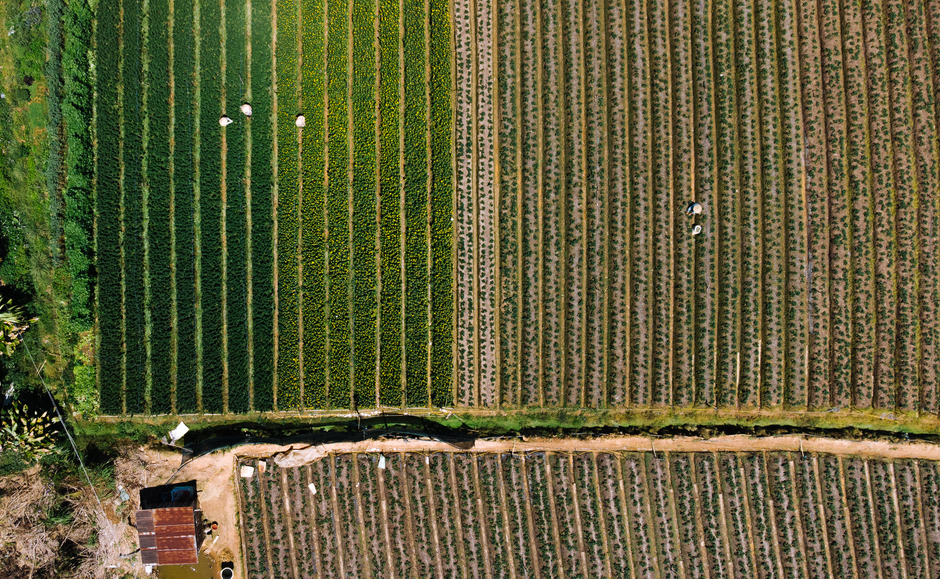
Palghar has quietly become one of the most talked-about land markets in Maharashtra. Proximity to Mumbai, the ongoing infrastructure push—including the Virar-Alibaug Multimodal Corridor—and comparatively affordable entry prices have made Palghar property investment attractive to a wide range of buyers, from first-time investors to seasoned developers. But one question trips up almost every newcomer: should you buy agricultural land or a residential plot?
The answer depends on your risk appetite, your timeline, and—critically—your understanding of the legal framework governing each type. This article walks you through both options clearly.
Understanding the Key Differences Before You Buy
Agricultural land in Palghar is, on paper, cheaper per square metre than a demarcated residential plot. That price gap tempts many investors. However, under the Maharashtra Land Revenue Code, agricultural land cannot be used for construction unless it has been formally converted to non-agricultural (NA) use. Buying farmland with the vague hope of building on it later is one of the most common—and costly—mistakes investors make in this region.
Residential plots, by contrast, already carry an NA order or sit within an approved layout under the local gram panchayat or municipal body. That clarity makes financing easier, legal due diligence faster, and eventual resale simpler. You typically pay more upfront, but the path to development is straightforward.
Beyond the legal distinction, there is also the question of who can buy what. Non-agriculturalists—meaning buyers who do not derive the majority of their income from farming—face restrictions on purchasing agricultural land in Maharashtra without prior government permission. This rule catches many urban investors by surprise.
The NA Conversion Process Step by Step
If you do decide to pursue agricultural land with the intention of converting it, here is what the process actually involves:
1. Verify the 7/12 extract — This revenue document confirms ownership, the nature of the land, and any encumbrances. Confirm the land is listed as agricultural and not already converted or disputed.
2. Apply to the Sub-Divisional Officer (SDO) — Submit Form NA along with the 7/12 extract, village map (CTS/survey plan), possession certificate, and a no-objection letter from the relevant gram panchayat.
3. Departmental clearances — The application is referred to the Town Planning Department, the Environment Department (especially relevant near Palghar’s coastal and forest zones), and sometimes the Agriculture Department. Each can add months to the timeline.
4. Pay conversion premium — Once approved, a conversion premium is levied, calculated on the ready reckoner rate of the land. This cost is rarely negligible.
5. Receive the NA Order — Only after this order is issued can construction legally begin. Typical timelines in Palghar range from 12 to 36 months, depending on zoning and political clearance speed.
The whole process demands patience, a reliable local lawyer, and a willingness to absorb holding costs while you wait.
Risk Factors Every Palghar Investor Should Weigh
Palghar’s geography introduces specific risks that generic investment guides ignore. A significant portion of the district falls under the Coastal Regulation Zone (CRZ) and forest buffer zones. Land within CRZ-III areas faces severe construction restrictions, and purchasing such a plot—even with an NA order—can lead to legal complications if the original classification was incorrect or if environmental boundaries shift.
That said, Palghar property investment as a category is not inherently high-risk. Residential plots in approved RERA-registered layouts carry substantially lower risk because the developer has already absorbed the regulatory burden. According to RERA Maharashtra, registered projects must disclose all approvals, making it easier for buyers to verify before signing.
For agricultural land specifically, watch out for these red flags:
– Tribal land (Schedule V areas) — Transfers to non-tribals are prohibited without state government approval and are routinely cancelled even years after purchase.
– Fragmented ownership — Rural parcels in Palghar often have multiple legal heirs listed on old records. A single missing consent letter can freeze your title.
– Pending irrigation assessments — Some parcels carry unresolved water-use liabilities that transfer to the new owner.
Due diligence here is not optional. A search covering at least 30 years of title history is strongly advised.
Long-Term Value: Which Land Type Wins?
Over a 7–10 year horizon, successfully converted agricultural land in the right micro-location can outperform residential plots in raw percentage terms—but the operative word is successfully. The conversion process adds cost, time, and uncertainty. Investors who navigated it in Palghar’s Boisar and Vasai belts between 2012 and 2018 saw impressive returns, but many others are still sitting on unconverted parcels with stalled applications.
Residential plots in established corridors—particularly around Palghar town, Boisar MIDC, and Virar-adjacent pockets—offer more predictable compounding appreciation. As infrastructure projects materialise, these areas benefit first because construction can begin immediately.
For most investors without on-the-ground presence and local legal expertise, a residential plot in a RERA-registered layout is the lower-friction, more reliable wealth-building vehicle.
Frequently Asked Questions
Can a non-farmer legally buy agricultural land in Palghar?
Generally, no. Maharashtra law restricts agricultural land purchases to persons whose primary income is from agriculture. Non-agriculturalists must obtain prior state government permission, which is rarely granted easily. Most urban investors are better served purchasing NA-converted or residential plots.
How long does the NA conversion process take in Palghar?
The timeline varies widely, but investors should budget 12 to 36 months. Delays often occur at the environment and town planning clearance stages, especially for land near coastal or forest boundaries common in Palghar district.
What is a 7/12 extract and why does it matter?
The 7/12 (Satbara) extract is a government revenue record showing land ownership, cultivable area, water sources, and encumbrances. It is the foundational document in any agricultural land transaction in Maharashtra and must be verified before any purchase agreement is signed.
Are residential plots in Palghar covered under RERA?
Yes, plotted developments with more than a specified area threshold must be registered under RERA Maharashtra. Always verify the RERA registration number of any layout before purchase—it ensures the developer has disclosed approvals and gives you legal recourse if promises are not met.
What are tribal land restrictions in Palghar?
Palghar falls partly under Schedule V of the Indian Constitution, designating certain areas as tribal land. Transfers of such land to non-tribal buyers require state government sanction and are frequently invalidated by courts. Always verify tribal status before purchasing any agricultural parcel in the district.
Which Palghar location offers the best long-term residential plot appreciation?
Boisar, Palghar town, and the Virar-adjacent belt are currently considered the strongest corridors due to proximity to MIDC industrial zones, the upcoming Multimodal Corridor, and improving rail connectivity. Micro-location selection within these corridors still matters significantly.