
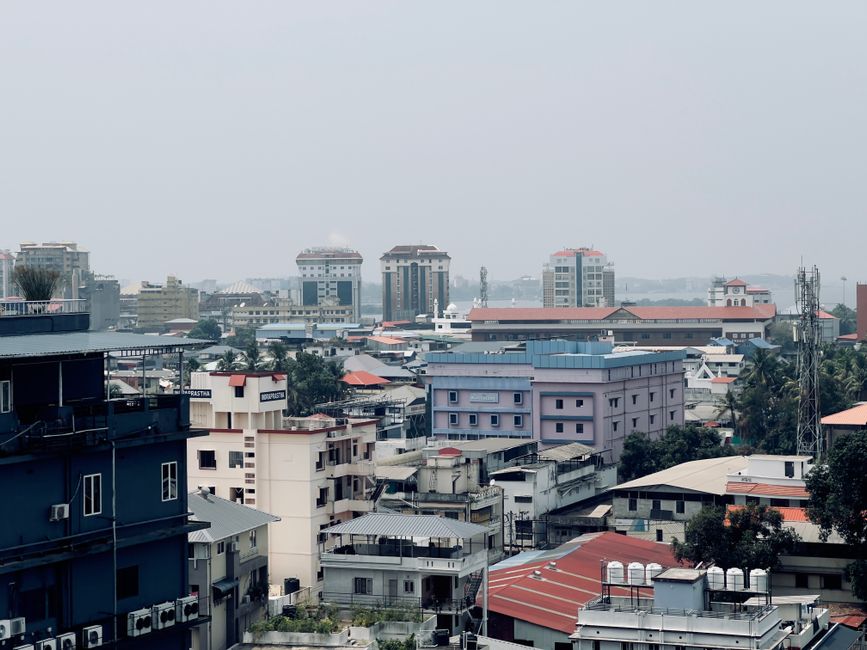
Palghar has quietly transformed from a coastal district into one of Mumbai Metropolitan Region’s most active investment corridors. Improved rail connectivity, the upcoming Vadhavan Port project, and a steady migration of light manufacturing units have pushed demand for commercial spaces well beyond what local supply can comfortably absorb. For investors comparing commercial properties in Palghar, the pressing question is no longer whether to buy — it’s which asset class to buy.
This article cuts through the noise and looks at what shops, offices, and warehouses are actually returning on the rental side right now.
Shops, Offices & Warehouses: How Each Asset Class Stacks Up
Retail Shops — Steady, Hyperlocal Demand
Retail shops along Palghar’s main market strips and near railway stations have historically been the first choice for small investors. Ticket sizes are lower, tenants are easier to find, and lease terms tend to be short (11 months, typically renewed), giving landlords flexibility to revise rents frequently.
Right now, well-located ground-floor shops in Palghar town and Boisar are commanding monthly rents of roughly ₹60–₹120 per sq ft, depending on frontage and footfall. That translates to gross rental yields in the 5–7% range annually. The challenge is that retail tenants are sensitive to footfall shifts, and with e-commerce eating into small-town retail margins, vacancy risk is a real consideration.
Best suited for: investors who want a tangible, easy-to-manage asset with moderate returns and high liquidity on resale.
Office Spaces — Emerging but Selective
Coworking and small-office demand in Palghar is newer and narrower. The occupier base is largely local businesses, small logistics firms, and a handful of start-ups that have moved out of Mumbai to cut overheads. Purpose-built office buildings are sparse; most leased office space here is either converted residential or ground-plus-one commercial builds.
Rental rates for office space in Palghar range from ₹30–₹70 per sq ft per month, noticeably lower than retail. Yields hover around 4–6%. The upside is that commercial office leases are longer (typically three to five years with a lock-in clause), which means predictable income. As more small and medium enterprises look for affordable alternatives to Thane or Navi Mumbai, this segment has room to grow — but it’s not where yields are peaking today.
Best suited for: patient investors who prioritise lease stability over maximum yield.
Warehouses & Industrial Sheds — The Clear Outperformer
If one asset class is generating consistent buzz among Palghar investors, it’s industrial and logistics space. The MIDC zones in Tarapur and Boisar have long anchored the district’s manufacturing identity, but the last two years have seen a fresh wave of demand from e-commerce logistics operators, cold-chain companies, and chemical storage firms.
Warehousing and industrial shed rentals currently range from ₹18–₹45 per sq ft per month, which sounds lower than retail at first glance. The difference is scale — these transactions typically involve 5,000 to 50,000 sq ft, and yields on well-located industrial assets are regularly hitting 7–9% annually. Lease terms are long (five to nine years), rent escalation clauses of 5–15% every three years are standard, and tenant defaults are comparatively rare because relocation is expensive for industrial occupiers.
According to JLL India’s logistics and industrial research, demand for Grade A warehousing across Maharashtra’s Tier-2 corridors has grown significantly as occupiers seek to optimise last-mile networks — a trend that directly benefits locations like Palghar.
Best suited for: investors with a longer horizon and higher capital outlay who want yields that genuinely outpace inflation.
Key Factors Driving Palghar’s Commercial Real Estate Market
Infrastructure Pipeline
The Vadhavan Port project near Dahanu, once fully operational, is projected to be among India’s largest deep-water ports. Complementing this is the Mumbai–Ahmedabad High-Speed Rail corridor passing through the district. Both projects are attracting ancillary businesses — customs clearing agents, freight forwarders, and staffing companies — all of whom need local commercial space. Investors who position themselves ahead of this curve stand to benefit from significant rental appreciation.
Land and Rental Arbitrage
Palghar commercial property prices are still 30–50% lower than comparable assets in Vasai-Virar or Mira Road. For a logistics operator comparing occupancy costs, this arbitrage is compelling. That cost advantage is the single biggest reason warehouse occupancy rates in the Tarapur-Boisar belt remain high.
Regulatory Environment
Maharashtra’s MIDC has streamlined certain industrial plot allotments, and the Palghar district administration has prioritised industrial clearances under the state’s ease-of-doing-business push. Investors should still conduct thorough due diligence on land use permissions, particularly for converted or mixed-use commercial assets. The Maharashtra Industrial Development Corporation website provides updated zoning and plot availability information worth consulting before any purchase.
Tenant Profile Matters
Across all three asset classes, the quality and covenant strength of the tenant ultimately determines actual versus theoretical yield. A warehouse leased to a listed FMCG company on a seven-year lease is fundamentally different from one leased month-to-month to a local trader, even if the headline rent is the same. Due diligence on tenant financials is non-negotiable.
Frequently Asked Questions
What types of commercial properties in Palghar are most in demand?
Warehouses and industrial sheds in the Tarapur-Boisar MIDC belt currently see the highest occupier demand, followed by retail shops near railway stations and main market areas. Small office spaces are growing but remain a niche segment.
What rental yields can I expect from Palghar commercial real estate?
Retail shops typically yield 5–7% annually, office spaces 4–6%, and industrial or warehousing assets 7–9%. Yields vary based on location, tenant quality, and lease structure.
Is Palghar a good long-term bet for commercial investment?
Yes, for investors with a five-to-ten-year horizon. The Vadhavan Port project and high-speed rail connectivity are structural demand drivers that should underpin both rental growth and capital appreciation over the medium term.
How long are commercial lease terms in Palghar typically?
Retail shop leases are usually 11 months, renewed annually. Office leases run three to five years. Industrial and warehouse leases are the longest at five to nine years, often with built-in rent escalation clauses.
What should I check before buying a commercial property in Palghar?
Verify the property’s land use zoning, RERA registration where applicable, encumbrance certificate, approved building plan, and — critically — the financial covenant of your prospective tenant. For MIDC plots, check allotment terms directly with the Maharashtra Industrial Development Corporation.
Are there risks specific to commercial property investment in Palghar?
Key risks include slower-than-expected infrastructure project timelines, retail vacancy if footfall declines, and the relatively thin liquidity of the secondary commercial market compared to Mumbai’s core zones. Diversifying across asset classes or locations within the district can help manage these risks.