
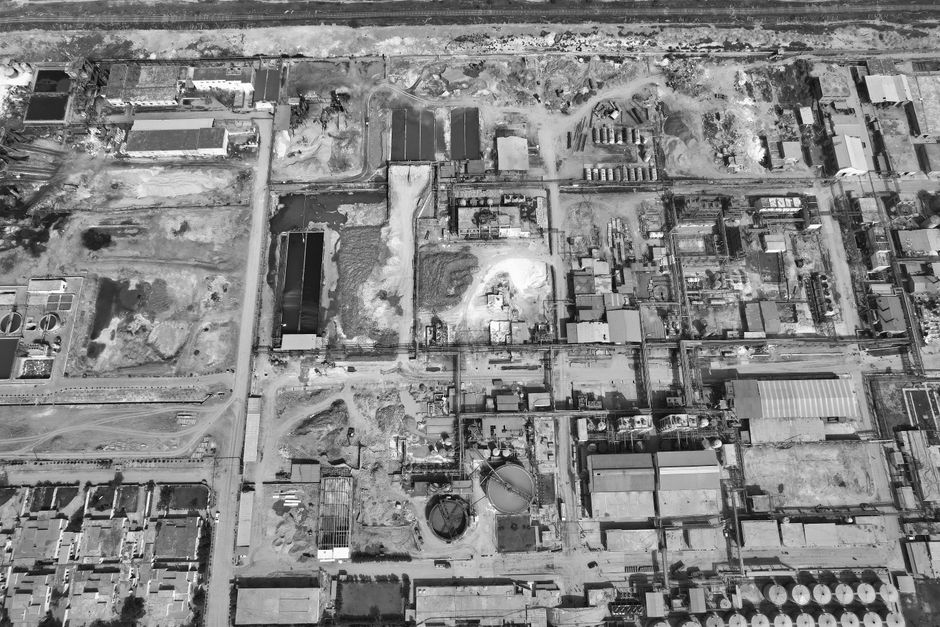
Boisar has quietly transformed from a small coastal town into one of the Mumbai Metropolitan Region’s most active industrial corridors. With the Tarapur Industrial Area next door and major infrastructure projects reshaping connectivity, the question on every resident’s mind is the same: does it make more financial sense to rent or to buy Boisar property right now?
The honest answer depends on where you are in your career, how long you plan to stay, and how much financial flexibility you need month to month. This breakdown cuts through the noise so you can make a confident, numbers-driven decision.
The Real Cost of Renting in Boisar
Renting in Boisar is straightforward on the surface — you pay a monthly amount, a refundable deposit (usually two to three months’ rent), and you keep your capital liquid. For a decent 1 BHK near the MIDC zone, monthly rents typically range from ₹6,000 to ₹10,000. A 2 BHK suitable for a mid-level manager or a family can run ₹10,000 to ₹18,000 per month depending on the locality and amenities.
Those numbers look modest compared to EMIs — but factor in the full picture:
– No equity built: Every rupee of rent is an expense, not an investment.
– Annual rent escalation: Most agreements include a 5–10% annual increase clause, which compounds over five years.
– Shifting costs: Security deposits locked across multiple moves, brokerage fees, and the intangible cost of disruption.
For workers on short-term or contract postings — particularly those rotating between industrial plants across Maharashtra — renting is clearly the rational choice. You stay mobile, avoid long-term financial commitment, and keep your savings available for opportunities elsewhere. According to data from ANAROCK Property Consultants, rental demand in peripheral industrial towns like Boisar tends to spike during infrastructure build-out phases precisely because the workforce is transitional by nature.
But if you have been in Boisar for two or more years and expect to stay for another five, the calculus shifts considerably.
The Case for Buying Boisar Property
Buying Boisar property is a longer game, and for the right buyer, it is one of the more compelling opportunities in the extended Mumbai region right now. Here is why.
Entry prices remain accessible. A modest 1 BHK in a developing society near the Boisar railway station can be acquired for ₹25 lakh to ₹40 lakh. A 2 BHK in a well-planned township project typically falls between ₹45 lakh and ₹70 lakh. Compare that with Vasai-Virar (the next major corridor south), where equivalent units already command a 30–50% premium.
Let’s run a simple comparison. Assume you purchase a 2 BHK at ₹55 lakh with a 20% down payment of ₹11 lakh. At a home loan interest rate of roughly 8.75% over 20 years, your EMI would be approximately ₹38,500 per month. That EMI is not far above what a comparable rental would cost — but unlike rent, it is building ownership stake every month.
Tax Benefits That Renters Miss
Homeowners with an active home loan enjoy significant income-tax deductions. Under Section 80C of the Income Tax Act, principal repayment is deductible up to ₹1.5 lakh per year. Section 24(b) allows a deduction of up to ₹2 lakh per year on interest paid for a self-occupied property. For a salaried manager in the 30% tax bracket, these combined deductions can translate to real annual savings of ₹1 lakh or more — which meaningfully reduces the effective cost of ownership.
Infrastructure Tailwinds Worth Watching
The planned Virar–Alibaug Multimodal Corridor and ongoing upgrades to NH-48 are expected to reduce travel times from Boisar to Mumbai significantly. Improved connectivity historically pushes residential values upward in peripheral industrial towns — a pattern well documented across Indian industrial corridors. Buyers who enter before those infrastructure projects fully materialise tend to capture the strongest appreciation.
For managers, supervisors, or long-term plant employees who have established roots — children in local schools, extended family nearby — ownership also removes the anxiety of annual rent negotiations and provides a stable base from which to build wealth steadily.
Of course, buying is not without risk. Liquidity is lower, maintenance costs are real, and choosing the wrong developer can be costly. Always verify RERA registration for any project before committing. Maharashtra’s RERA portal lets you check project status, developer track record, and completion timelines at no cost.
Which Option Fits Your Situation?
Neither renting nor buying Boisar property is universally superior — what matters is matching the decision to your personal circumstances.
Rent if: You are on a contract posting of under two years, your job location may change, your savings for a down payment are not yet ready, or you prefer financial flexibility for other investments.
Buy if: You have been in Boisar for two or more years with no near-term relocation plans, you have a stable income supporting EMI payments, and you want to begin building long-term equity in a market that is still priced well below its growth potential.
The key mistake most people make is treating this as a permanent, binary choice. Many residents in Boisar rent for three to four years while saving strategically, then buy once they have confirmed their roots. That staged approach is sensible and increasingly common among mid-level industrial managers in the region.
Ultimately, Boisar property represents both an affordable entry point today and a credible long-term asset — provided you do your due diligence on project quality, location within Boisar, and financing terms.
Frequently Asked Questions
Is Boisar a good place to invest in property right now?
Yes, for buyers with a five-plus-year horizon. Boisar’s proximity to the Tarapur MIDC zone, relatively affordable land prices, and upcoming infrastructure improvements make it one of the more attractive peripheral markets near Mumbai for residential investment.
What is the average property price per square foot in Boisar?
Prices generally range from ₹3,000 to ₹5,500 per square foot depending on location, project type, and amenities. Upcoming gated township projects at the higher end of this range tend to command a premium for their facilities.
How long should I plan to stay before buying makes financial sense?
Most financial advisors suggest a minimum five-year horizon to justify the transaction costs (stamp duty, registration, brokerage) associated with buying. Below that threshold, renting usually preserves more flexibility.
Can I get a home loan for a property in Boisar?
Yes. Boisar falls within Maharashtra’s standard home loan eligibility zones, and most major banks and HFCs — including SBI, HDFC, and ICICI — offer financing for properties there, subject to standard income and creditworthiness criteria.
What should I check before buying property in Boisar?
Verify that the project is RERA-registered on Maharashtra’s RERA portal, confirm clear land title, check the developer’s delivery track record, and inspect infrastructure around the site — water supply, road access, and proximity to public transport.
Is rental income from Boisar property a viable strategy?
Increasingly so. With a steady influx of industrial workers and junior managers requiring accommodation near the MIDC zone, well-located 1 BHK units can generate rental yields of 3–5% per annum, which compares favourably to many other peri-urban Mumbai markets.