
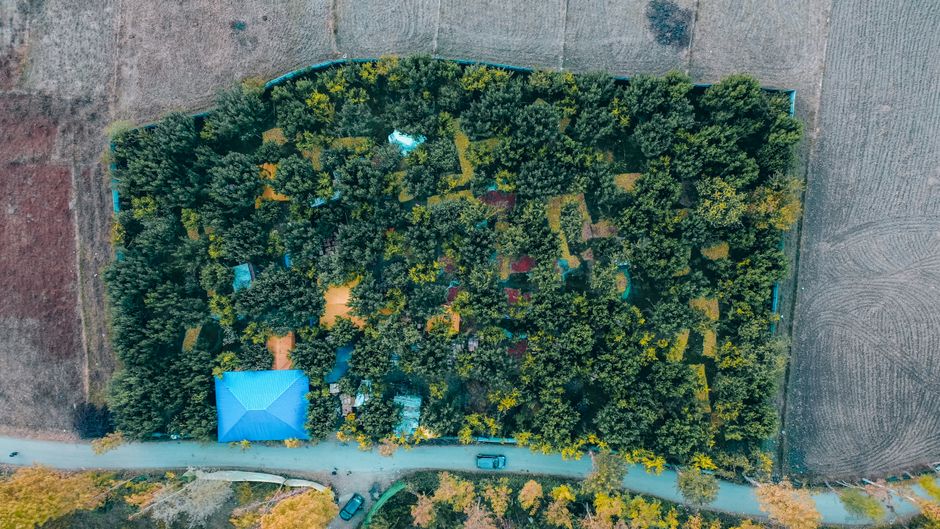
Palghar has quietly become one of the more compelling destinations for property buyers priced out of Mumbai’s core markets. Better highway connectivity, the upcoming Vadhvan Port project, and a relatively open landscape have all pushed demand for residential plots for sale in Palghar to levels that would have seemed unlikely even five years ago. But with rising demand comes a flood of listings, and not every plot being marketed as “residential” is legally ready to build on. Understanding the difference between NA land, DP-reserved land, and layout-approved plots is the single most important thing you can do before signing anything.
What NA, DP, and Layout-Approved Actually Mean
These three terms are often used interchangeably by brokers, but they describe very different legal statuses — and confusing them can cost you years of legal headaches.
NA (Non-Agricultural) Land is agricultural land that has been formally converted for non-agricultural use under the Maharashtra Land Revenue Code. Without NA status, you legally cannot construct a residential structure on the plot, regardless of what the seller tells you. The conversion is done by the District Collector’s office, and a valid NA order will clearly mention the purpose — residential, commercial, or industrial. Always ask to see the original NA order, not just a photocopy. Verify it against the Maharashtra government’s land records portal to confirm the entry matches.
DP (Development Plan) Land refers to plots that appear in the town planning authority’s Development Plan — a master map showing how land in a region is zoned for future use. A plot shown as “residential” in the DP means the planning authority has earmarked it for housing, but this is not the same as NA conversion. DP zoning tells you what the land can eventually become; NA status tells you it has already been converted. Buying DP land without NA status means you’re betting on a future government process that may take years or never arrive in exactly the form you expect.
Layout-Approved Land is the gold standard for most buyers. Here, a developer or landowner has gone through the full process: obtained NA conversion, submitted a layout plan to the local planning authority (in Palghar’s case, often the Town Planning Department or the relevant Gram Panchayat or Municipal Council), and received formal approval for the subdivision of plots. This approval means roads, open spaces, and utility corridors have been reviewed and sanctioned. Each plot in a layout-approved scheme will have a plot number, and you can verify the layout approval letter independently. For buyers new to Palghar’s property market, sticking to layout-approved residential plots is the lowest-risk entry point.
How to Verify in Practice
When a seller presents a plot, ask for these documents in this order:
1. 7/12 Extract (Satbara Utara) — confirms who owns the land and its current agricultural or NA status.
2. NA Order — issued by the Collector; should mention the specific survey number and the permitted use.
3. Layout Approval Letter — issued by the competent planning authority.
4. Property Card (City Survey Record) — applicable if the plot falls within a municipal limit.
5. Encumbrance / Mutation Records — confirms no outstanding loans or disputes on the title.
Never rely solely on a broker’s verbal assurance. Independent legal due diligence — ideally from a property lawyer familiar with Palghar’s local revenue records — is money well spent.
Why This Matters Specifically in Palghar
Palghar district is a patchwork of different administrative jurisdictions: Gram Panchayat areas, Nagar Panchayats, notified planning zones, and tribal land pockets. This complexity means that rules can shift dramatically from one village to the next. Tribal land (covered under the Maharashtra Land Revenue Code’s provisions for Scheduled Tribe communities) carries additional restrictions — non-tribal buyers generally cannot purchase such land at all, and doing so can result in the transaction being declared void.
The area around the National Highway 48 corridor and zones near Boisar MIDC have seen particularly aggressive marketing of residential plots for sale in Palghar, with some listings that blur the lines between DP-earmarked and fully converted land. The Maharashtra Real Estate Regulatory Authority (MahaRERA) mandates that developers of plotted layouts register their projects before accepting bookings. Checking whether a layout project is registered on MahaRERA’s website takes about two minutes and tells you immediately whether the developer has submitted the required approvals.
Beyond paperwork, consider the physical infrastructure. A layout-approved plot in a well-connected micro-market — near Palghar station, the proposed coastal road alignments, or established social infrastructure — will hold value better than a cheaper plot that requires you to solve for water, power, and road access on your own.
Red Flags to Watch For
– A seller who cannot produce the original NA order and offers only a 7/12 showing agricultural use.
– Plots described as “DP residential” without a corresponding NA conversion certificate.
– Layouts that are not registered on MahaRERA despite having more than eight plots.
– Pricing that is significantly below prevailing market rates — often a signal of a title dispute or tribal land restriction.
– Pressure to pay a token amount before completing document verification.
Taking the time to verify land status is not pessimism; it is the basic discipline that separates a sound real estate investment from an expensive lesson.
Frequently Asked Questions
What is the first document I should check when buying a plot in Palghar?
Start with the 7/12 Extract (Satbara Utara), which is the primary land record in Maharashtra. It confirms the current owner, the survey number, and crucially, whether the land is still classified as agricultural or has been converted to NA. Everything else — NA order, layout approval — should be cross-checked against what this document says.
Can I build a house on DP-residential land without an NA order?
No. A Development Plan designation is a planning intention, not a construction permission. Until the land has a valid NA conversion order from the District Collector, construction of a residential structure is not legally permitted, and any structure built without it risks demolition orders and complications when reselling.
Is layout-approved land always safe to buy?
Layout approval significantly reduces risk, but it does not replace independent title verification. You should still confirm the chain of ownership, check for encumbrances, and ensure the layout is registered with MahaRERA if the developer is selling multiple plots. Layout approval addresses planning legitimacy; a clear title addresses ownership legitimacy — both are required.
How do I check if a plotted layout project is registered on MahaRERA?
Visit the MahaRERA website and use the project search tool. Enter the project name or the developer’s name. Registered projects will show their approval documents, completion timelines, and the developer’s commitments. If a project doesn’t appear, ask the developer for an explanation before proceeding.
What is tribal land, and why should buyers in Palghar be cautious?
Palghar district has significant areas classified as tribal land under Maharashtra’s Scheduled Tribe land protection provisions. Non-tribal individuals generally cannot purchase such land, and transactions in violation of these rules are voidable. Always check the 7/12 Extract and consult a local property lawyer to confirm whether tribal land restrictions apply to any plot you are considering.
Are residential plots for sale in Palghar a good long-term investment?
Palghar offers genuine long-term fundamentals — infrastructure projects, proximity to Mumbai, and relatively affordable land prices compared to Thane or Raigad. However, investment quality depends almost entirely on the legal clarity of the specific plot. A clear-title, layout-approved plot near established infrastructure is a credible long-term asset; a legally ambiguous plot at a bargain price is a liability, not a bargain.