
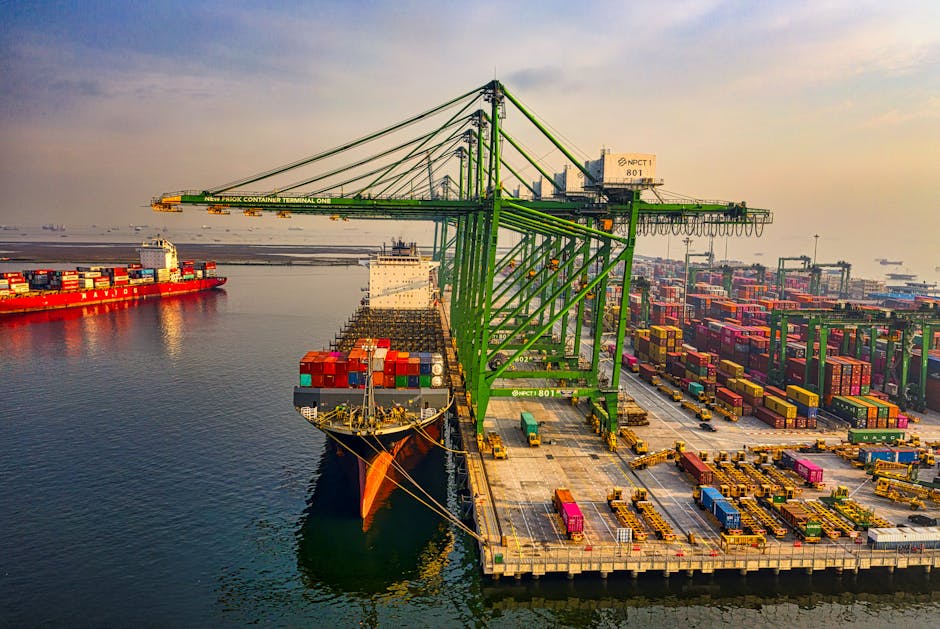
Palghar has quietly shifted from being Mumbai’s northern neighbour to a logistics address that serious investors are watching closely. With direct access to NH-48 (the old NH-8 toward Ahmedabad) and proximity to the Delhi–Mumbai Industrial Corridor (DMIC), the district offers a combination of land availability, competitive pricing, and infrastructure momentum that is difficult to find this close to a metro coastline.
For businesses scouting commercial properties in Palghar, the warehousing and logistics segment stands out as the most immediately viable opportunity — and the window for early-mover advantage is still open.
Why Palghar’s Highway Corridor Is Attracting Logistics Investment
The single biggest driver is connectivity. NH-48 cuts through the district and links directly to Jawaharlal Nehru Port Trust (JNPT) in the south and the Gujarat industrial belt in the north — two of India’s highest-volume freight corridors. Add the upcoming Virar–Alibaug Multimodal Corridor and the proposed Vadhvan Port (one of the largest greenfield ports in the country), and Palghar sits at an emerging freight nexus rather than a peripheral location.
According to NITI Aayog’s logistics development framework, reducing logistics costs from the current ~13% of GDP toward global benchmarks of 8% requires exactly the kind of secondary hubs that Palghar represents — locations that decongest primary ports while maintaining connectivity.
Land rates in areas like Boisar, Tarapur, and Wada currently range from ₹800 to ₹2,200 per sq ft for industrial and warehousing plots, compared to ₹4,500–₹8,000 per sq ft in Bhiwandi, the established logistics hub further south. This price differential alone is compelling — but it matters only if the underlying infrastructure catches up. In Palghar’s case, the infrastructure timelines are now concrete rather than speculative.
The Tarapur industrial estate already hosts over 1,000 manufacturing units, which means a ready base of potential anchor tenants for third-party logistics (3PL) and warehousing operators. Boisar, sitting on the Western Railway line with a dedicated freight terminal in planning, adds a rail dimension that pure road-based hubs cannot offer.
Lease Structures and Deal Terms to Understand
Commercial properties in Palghar’s warehousing segment are leased under a few distinct structures, and choosing the right one depends heavily on your operational horizon and capital allocation strategy.
Bare-shell industrial sheds are the most common format in the Tarapur–Boisar belt. Landlords deliver four walls, a roof, and basic power connection; tenants fit out the interior to specification. Lease terms typically run 3+3+3 years with a 15% rental escalation clause at each renewal. Monthly rentals for Grade-B warehousing space in this zone sit between ₹18 and ₹28 per sq ft, depending on ceiling height, floor load capacity, and proximity to the highway.
Built-to-suit (BTS) arrangements are increasingly available from larger landholders and regional developers who have recognised institutional demand. Under BTS, the developer constructs to the occupier’s technical specifications — dock levellers, fire suppression systems, 12-metre clear heights — and the tenant commits to a longer lease, usually 9–15 years with a lock-in of 5–7 years. The trade-off is reduced flexibility in exchange for a facility engineered for specific supply-chain needs.
Revenue-share models are emerging for e-commerce-adjacent micro-fulfilment players who need last-mile staging points. These arrangements are less standardised and require careful legal drafting, particularly around minimum guarantee clauses and exit provisions.
For investors acquiring land or built assets for lease-out, gross yields in the 7–9% range are achievable on stabilised assets, with land appreciation providing an additional return layer as infrastructure projects reach completion. Due diligence should include MIDC (Maharashtra Industrial Development Corporation) zone classification, water supply availability, and transformer capacity — three variables that frequently delay occupancy timelines if not verified upfront.
Key Micro-Markets Worth Tracking
Boisar offers the best balance of current infrastructure and future upside, particularly for companies that need rail freight access within 5 years.
Wada is attracting pharmaceutical and FMCG distributors who need temperature-controlled storage at lower rents than Mumbai suburbs can offer.
Manor–Palghar stretch along NH-48 is seeing land assembly activity from institutional players, suggesting that larger Grade-A logistics parks may be announced in the next 12–24 months.
Tarapur MIDC remains the most mature sub-market with established utilities, though available plots are becoming scarcer and pricing reflects that tightening.
The JLL India logistics and industrial market reports consistently flag Mumbai Metropolitan Region (MMR) fringe locations — which includes Palghar district — as among the top-three absorption zones for warehousing space nationally. That external validation is driving domestic and foreign institutional interest simultaneously.
Frequently Asked Questions
What types of businesses are most suited to warehousing properties in Palghar?
FMCG distributors, pharmaceutical companies, e-commerce fulfilment operators, and auto-ancillary manufacturers are the primary occupant categories. The proximity to both JNPT and Gujarat manufacturing clusters makes Palghar practical for import-export supply chains.
How does Palghar’s rental pricing compare to Bhiwandi?
Current warehousing rents in Palghar’s key zones are typically 35–50% lower than comparable space in Bhiwandi. The trade-off is slightly longer freight transit times to JNPT, but for businesses with flexible delivery windows, the cost saving is material.
What due diligence is essential before leasing or buying commercial properties in Palghar?
Verify MIDC zone classification, confirm water and power supply capacity, check proximity to the designated highway access point, and review the RERA status of any developer-built facility. Engaging a local property lawyer familiar with Maharashtra industrial land regulations is strongly advisable.
Are there any government incentives for logistics operators in Palghar?
Maharashtra’s logistics policy offers stamp duty concessions and electricity duty exemptions for logistics parks meeting specified criteria. MIDC-notified zones in Palghar may qualify for additional industrial promotion subsidies under the state’s Package Scheme of Incentives.
What lease duration is typical for warehousing space here?
Bare-shell leases commonly run on 3+3+3-year terms. Built-to-suit facilities carry longer commitments of 9–15 years with 5–7-year lock-ins. Short-term arrangements under 2 years are uncommon and command a premium.
Is Palghar suitable for Grade-A logistics park development?
Yes — land parcel sizes, pricing, and infrastructure pipeline make Palghar viable for Grade-A parks. Several institutional developers are currently in land-acquisition or pre-development stages, and occupiers with long lead times should engage early to influence specifications.